Backstage

Backstage
Look behind the curtain and step into the backstage stories of artists, thinkers, places and icons who shaped Berlin — and who, in one way or another, were connected to this very area and building.
Brigitte Bardot
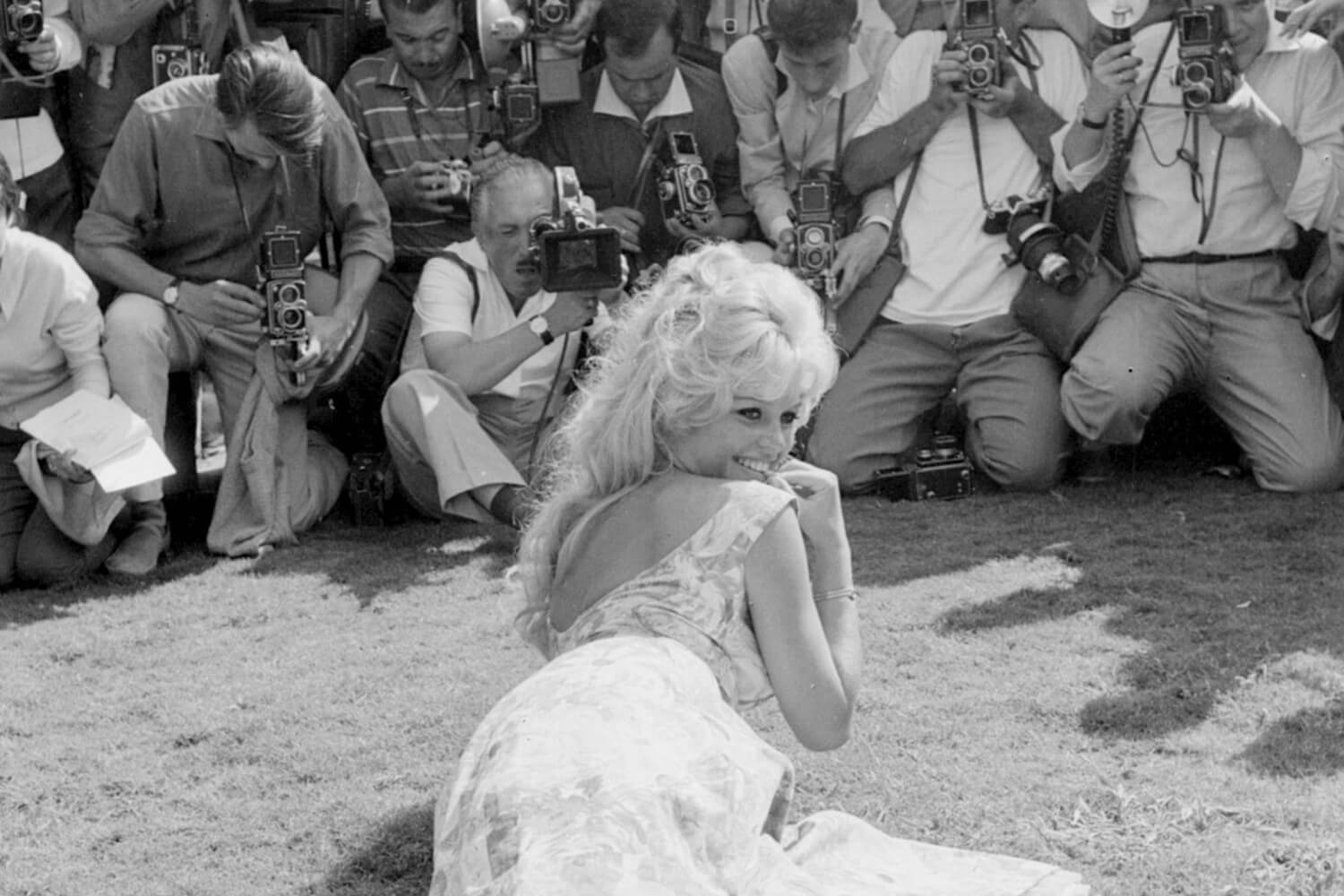
“Elegance is the only beauty that never fades.”
Brigitte Bardot was a style icon and symbol of new femininity as well as independence.
Her charisma matches the hotel’s blend of glamour and intimacy; Roomers offers stylish retreats reflecting Bardot’s timeless appeal.
Brigitte Bardot, born in 1934 in Paris, redefined 1950s and 60s glamour—an effortless blonde bombshell whose presence alone could ignite headlines across Europe. At the height of her fame, she repeatedly chose to stay at Steinplatz 4 in Berlin, drawn to the hotel’s unique blend of privacy and vibrant city energy.
She loved that it was a discreet yet lively place to stay, especially the famous hotel bar “Volle Pulle”, where photographs were strictly forbidden. Behind those doors, away from flashing cameras and gossip columns, Bardot could truly be herself: laughing late into the night, unguarded, off-script.
Meanwhile, her films captivated West Berlin audiences, cementing her image as the face of liberated femininity and cinematic allure. Even after stepping away from film in the early 1970s, her legend, half spotlight, half whispered story, never faded.
Marlene Dietrich
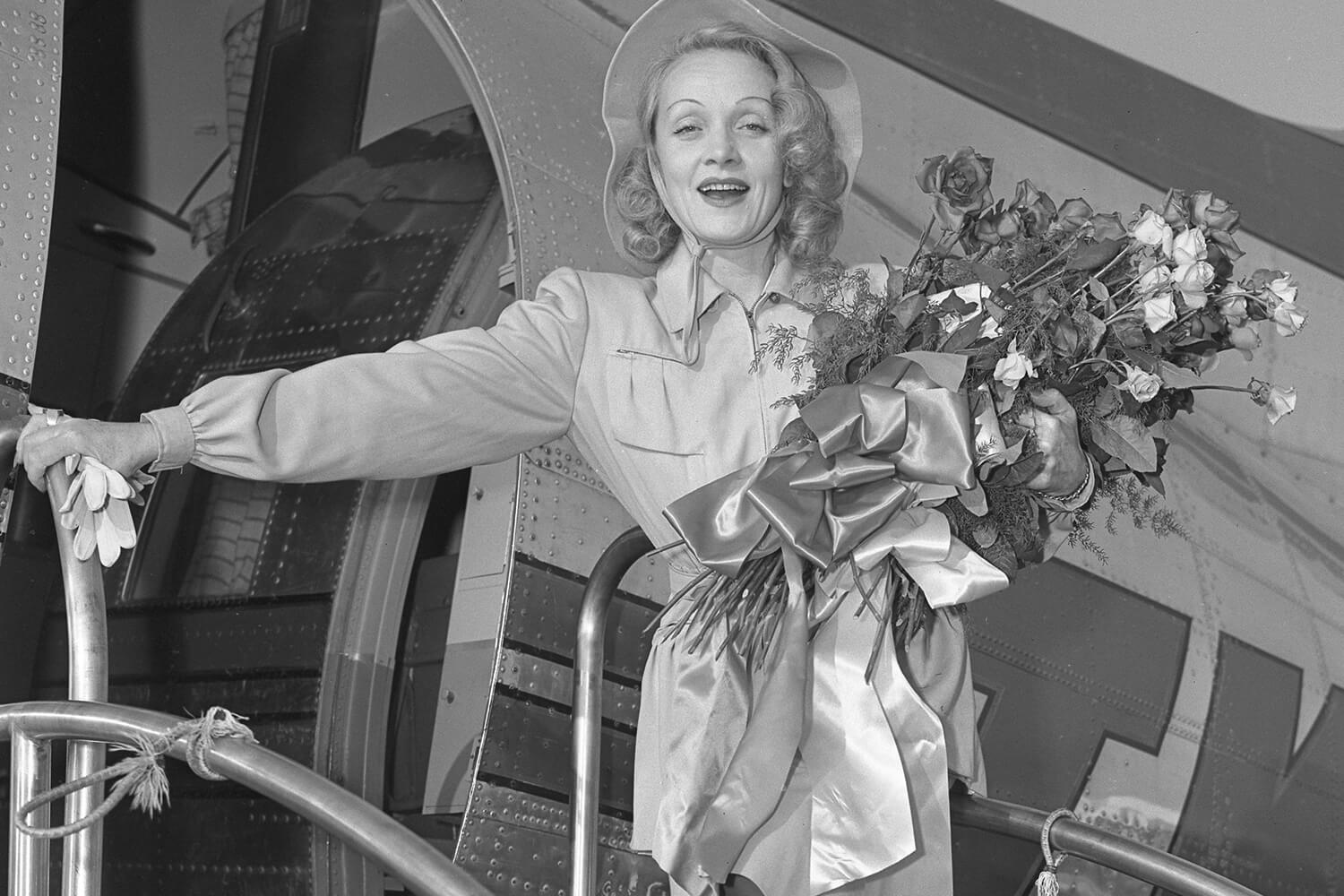
“Emotion is the heart of every performance.”
If Berlin had a voice, it might sound like Marlene Dietrich.
Born in Berlin Schöneberg, she became one of the city’s most iconic figures: a European screen legend known for her depth, complexity and unmistakable charisma.
Her breakthrough came in 1930 with The Blue Angel, filmed in Berlin, marking the beginning of an international career that would redefine stardom. But her legacy goes beyond cinema. At a time when it mattered most, she chose principle over comfort, turning her back on Nazi Germany and later becoming a symbol of strength and independence. Berlin, in return, welcomed her back, honoring her as part of its cultural identity.
At Roomers, this spirit feels close. A place where stories unfold. Not staged. Not nostalgic. Just a subtle reminder that Berlin has always been, and still is, a city of bold character.
Romy Schneider
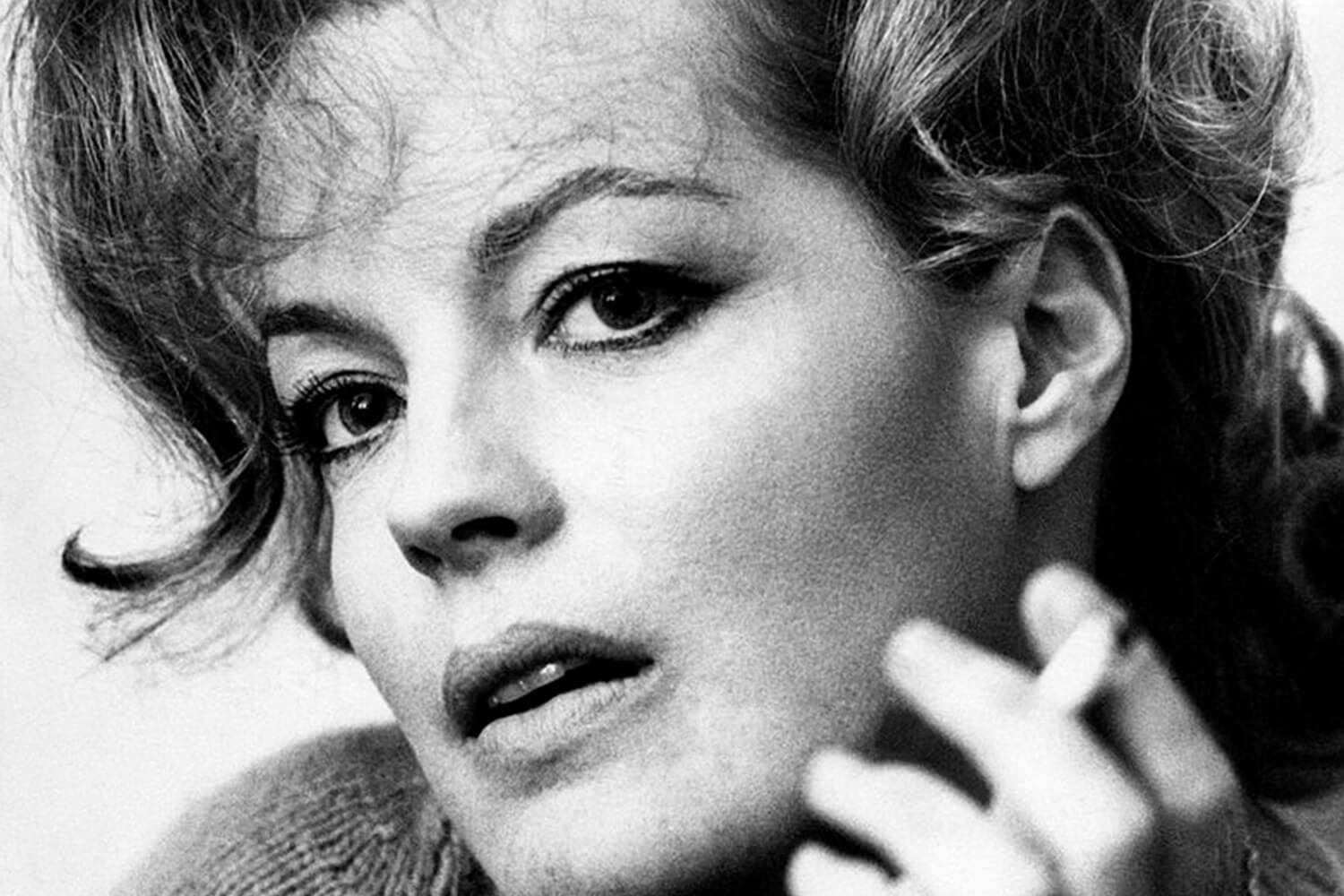
„One can remain eternally young if each day, one grows rich by marvelous moments.“
From her breakout role as Sissi to her later, more daring performances, Schneider became a symbol of elegance and emotional depth.
Romy Schneider, born in 1938, was one of Europe’s most luminous stars, renowned for her charm, vulnerability and magnetic screen presence.
Her stays at Berlin’s old Hotel Steinplatz were legendary, not just for her beauty and style, but also for the drama she carried with her. One story that went down in local lore involved a public feud with Alain Delon, so intense that the entire Steinplatz seemed to witness the clash.
Yet an even wilder incident marked the end of her days as a regular guest: after a gala, Schneider attempted to bring a fellow actor up to her room, but the night porter, invoking the hotel’s strict rules, refused. What followed was a full-blown scuffle that left the hotel’s entrance in ruins and the porter hospitalized, while Schneider stormed off in fury. Clearly, this was not the gentle, princess-like Sissi the world knew on screen.
Romy Schneider’s legend is a mix of cinematic brilliance and real-life drama, reminding us that behind the glamorous facade, passion and chaos often walk hand in hand.
All of this happened within these very walls – right where you are standing now. Take a moment and feel the energy this place is carrying. You are the main character of your own life.
Luciano Pavarotti
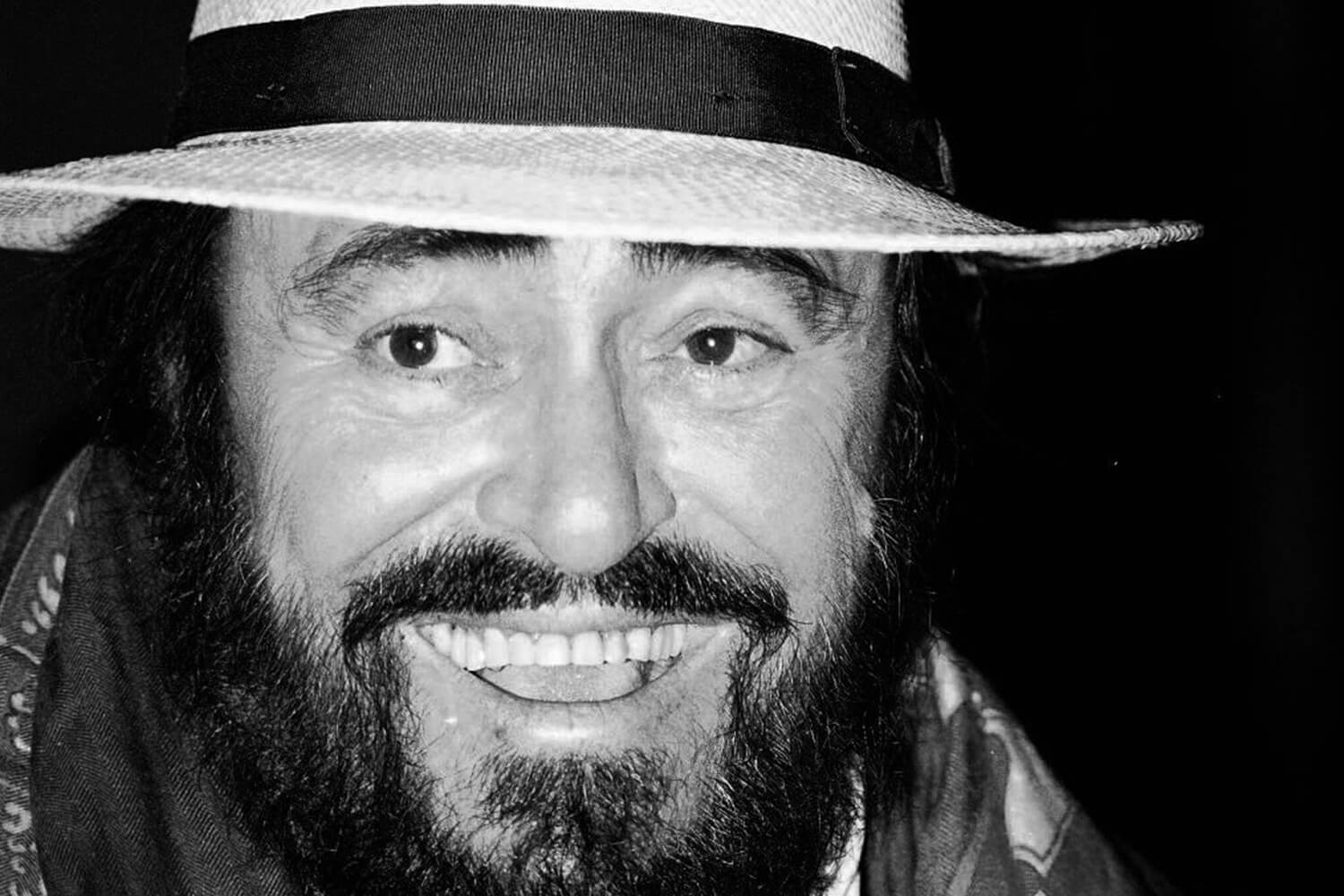
“To me, music is a way to express what cannot be said in words.”
There’s a reason some places feel different the moment you arrive.
Long before this building tunred into Roomers Berlin, it was known as Hotel Steinplatz, and for decades, it was the Berlin address of Luciano Pavarotti, one of the most celebrated tenors in the world, admired for his powerful voice and unmistakable charisma.
He didn’t just stay here once. He returned again and again, choosing it as his retreat between performances – a place of quiet in contrast to the intensity of the stage. And his story goes even deeper.
Musician Ilse Eliza Zellermayer, daughter of the original hotel owner Max Zellermayer and a defining figure behind the hotel, was also Pavarotti’s manager. This relation was more than a professional connection – it made the hotel part of his inner circle.
Imagine the rhythm: evenings filled with standing ovations at Berlin’s opera houses, followed by euphoric returns to this address – all within the same few streets.
For guests today, that proximity remains. The Staatsoper, Deutsche Oper and Philharmonie are still part of Berlin‘s cultural landscape. What once shaped Pavarottis stays can now shape yours.
Foto: „Luciano Pavarotti” von John Mathew Smith / Kingkongphoto, lizenziert unter CC BY-SA 2.0
Günter Grass
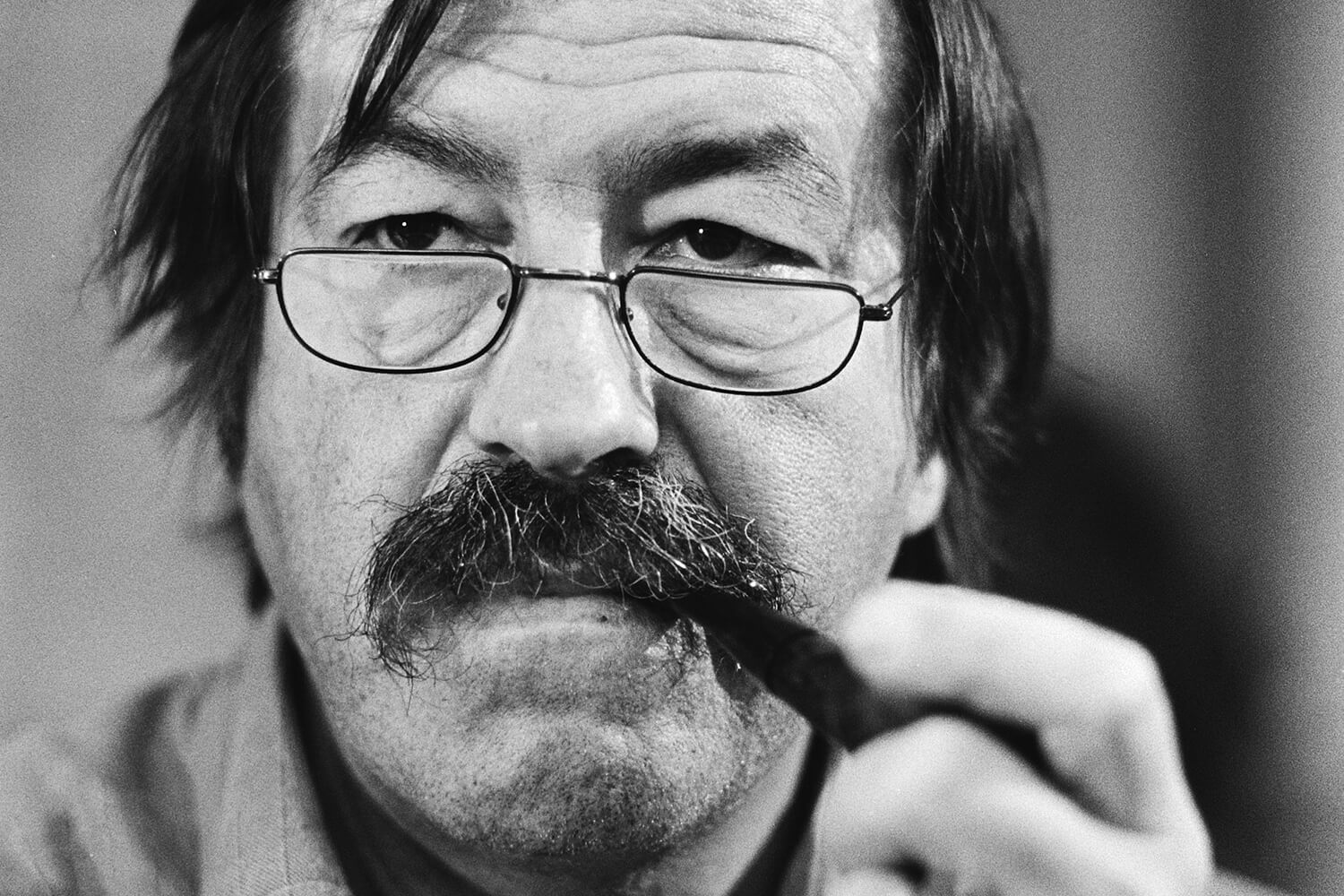
“Writing is a way of remembering.”
Some guests don’t visit Berlin for the city alone. They come to observe it, question it, translate it into something that lasts.
Günter Grass was one of them. The Nobel Prize–winning author of The Tin Drum, known for his sharp, often uncomfortable voice on history and society, was closely connected to what was then Hotel Steinplatz, today’s Roomers Berlin.
Grass wasn’t the kind of guest who simply passed through. At a time when Berlin was still divided, still searching for itself, Grass positioned himself right in the middle of its cultural and political tension.
You can imagine how this place functioned back then – less as a retreat, more as a space for reflection, exchange and conversation. Notes taken, ideas challenged, thoughts shaped in between the city’s noise and its quieter moments.
That idea still defines the place today. At Roomers Berlin, encounters between guests, locals, team members take place. Different perspectives are not incidental; they are part of the experience. A place where people meet, exchange and connect, naturally and without effort.
For you as a guest, it adds a deeper layer to your stay. Some places don’t just witness stories. They bring people together to create new ones.
Deutsche Oper
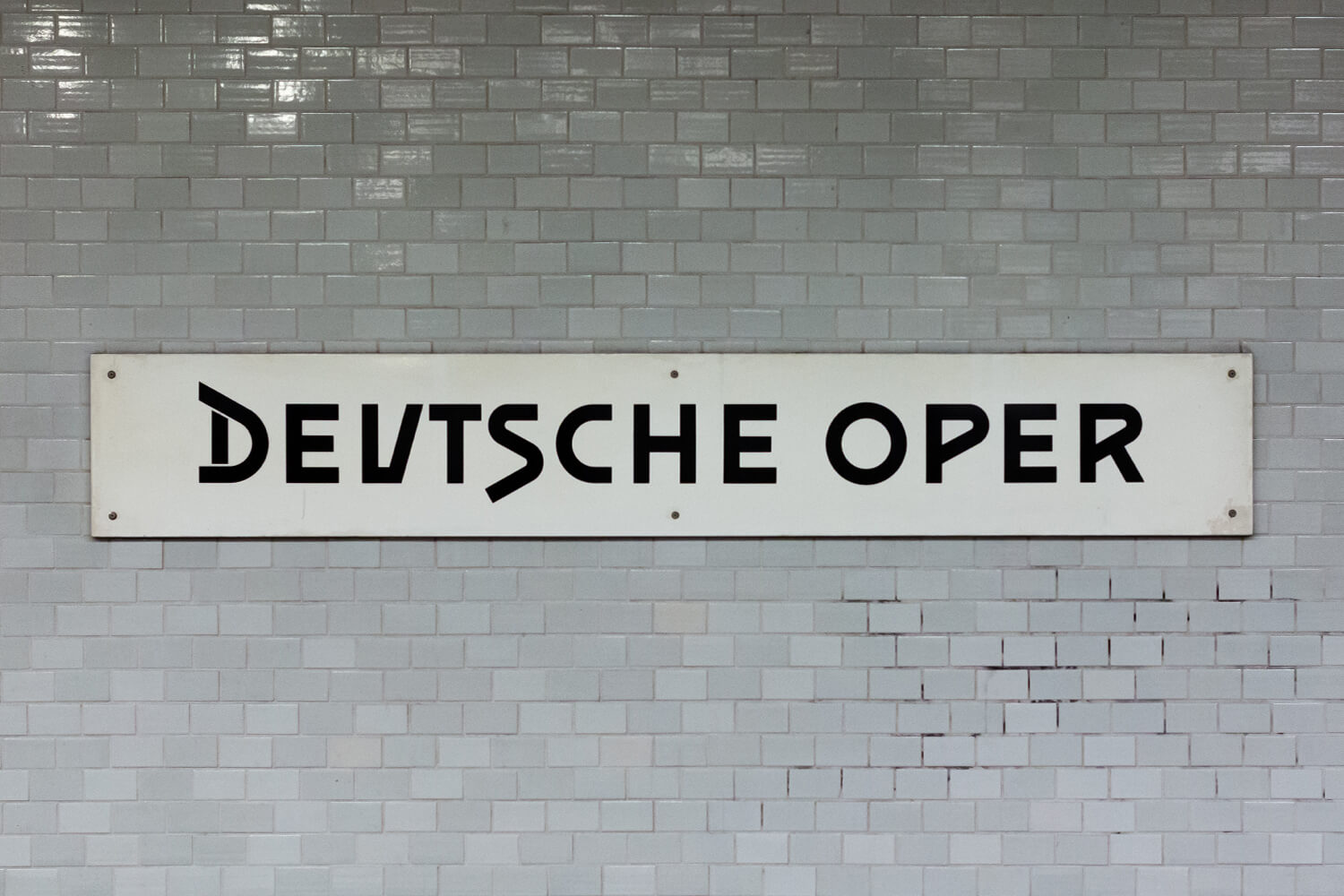
A place where international voices meet Berlin’s unmistakable intensity.
Berlin doesn’t always reveal itself immediately. Some of its most defining moments happen behind closed doors.
Not far from Roomers Berlin, Deutsche Oper has been part of the city’s cultural landscape for decades. What most people don’t see is what happens beyond the stage. Through guided backstage tours, you can step behind the scenes, walking through set constructions, passing monumental stage designs and getting close to the costumes that shape each production.
It changes the perspective. What later appears effortless on stage reveals its complexity, its craftsmanship, its quiet precision. And then, when the curtain rises, you see it differently. The scale, the detail, the coordination.
For Roomers guests, it’s an experience that connects the visible and the hidden sides of Berlin, just minutes from the hotel.
Our team is happy to recommend the right show for you and arrange your visit and backstage tour.
Kürfürstendamm
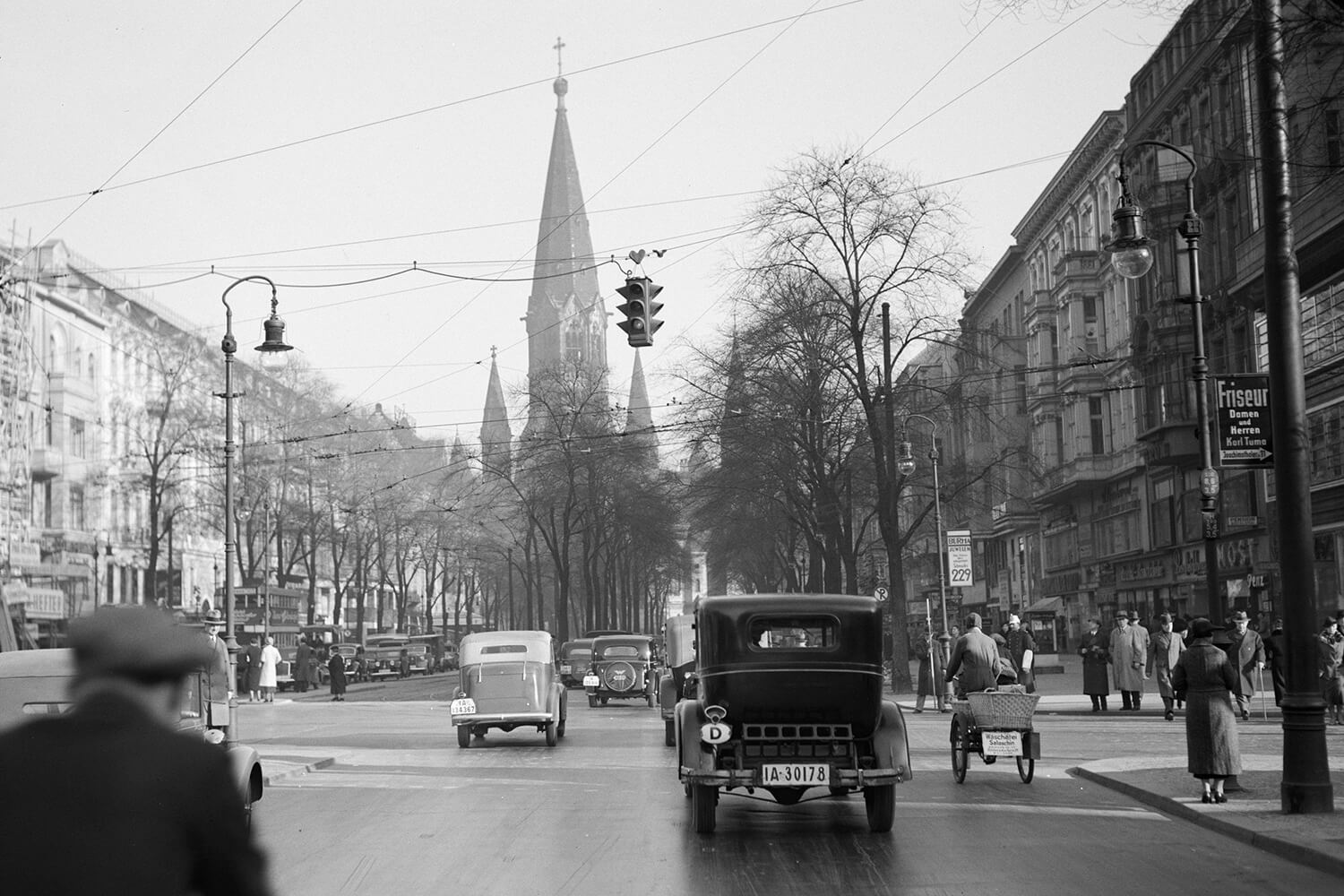
Some places are destinations. Others are part of the story.
You don’t arrive at Kurfürstendamm by accident. You drift into it and somehow, you’re already part of the scene.
Just moments from Roomers Berlin, the boulevard has been Berlin’s stage since the 1920s. Back then, it was the center of the city’s Golden Twenties, lined with grand cinemas, legendary cafés and theaters where artists, actors and writers blurred the lines between public life and private excess.
This was where Berlin experimented. Where nights stretched into mornings, where reputations were made and sometimes quietly undone again. Film stars appeared without announcement, intellectuals argued over champagne and the city’s most talked-about stories often began in places that looked entirely innocent from the outside.
One address in particular, just around the corner, carried that energy into a more private setting: what is now Roomers Berlin, then Hotel Steinplatz. A discreet retreat for those who were part of the Ku’damm’s world, close enough to be in it, hiding in the Ku’Damms shadow.
The boulevard has changed, of course. Luxury boutiques replaced some of the old cinemas, the pace became more structured. But the underlying sparkling rhythm never disappeared. If you pay attention, it’s still there – in the way people move, in the mix of characters, in that subtle feeling that something could happen at any moment. And often, it still does.
Delphi Cinema
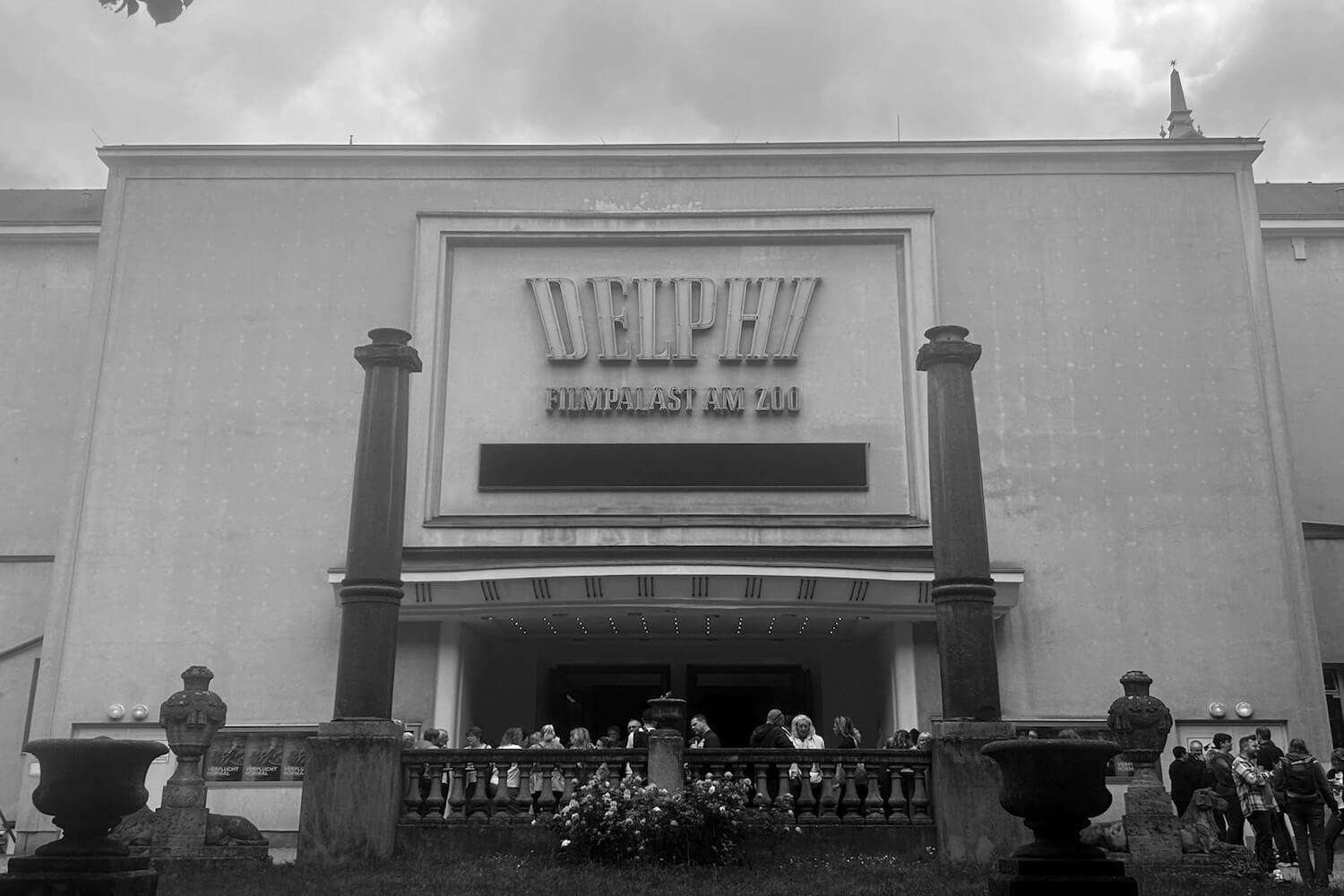
It’s easy to walk past it without realizing what’s behind the façade.
Just off Kurfürstendamm and moments from Roomers Berlin, Delphi Filmpalast has been part of the city’s cinematic history since the late 1920s.
Originally designed as a grand ballroom, it quickly became a place where Berlin’s cultural scene gathered. Film, music and society came together under one roof.
This was the era of premieres, first screenings and evenings that extended far beyond the film itself. Directors, actors and audiences moved through the same space, making cinema an experience rather than just a visit.
You still feel that scale today. The high ceilings, the depth of the room and the sense that this was built for an audience that expected more.
What sets Delphi apart is that it never lost that atmosphere. It’s not only about what’s on screen, but how you experience it. The bar adds to that rhythm, a place where the evening begins or continues long after the credits bassed the screen.
Some places don’t change completely. They evolve and keep their magic. An evening here feels like a natural extension of your stay. Our team is happy to recommend the right film and take care of the details.
Savignyplatz
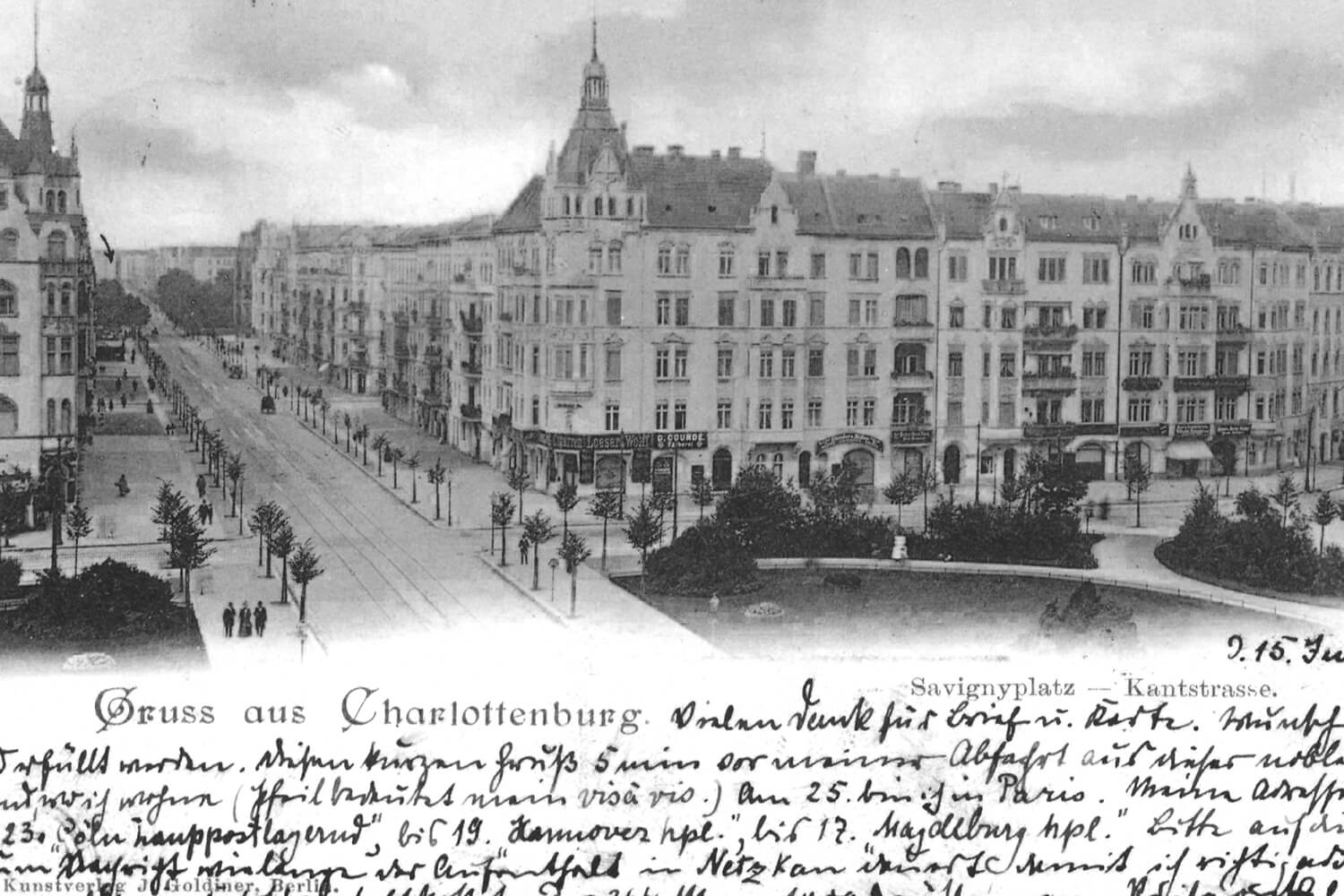
The Savignyplatz doesn’t try to impress. That’s exactly why it works.
Just a short walk from Roomers Berlin, tucked between Kantstraße and the surrounding side streets, it feels noticeably different from the pace of the city.
A small green square, framed by trees and seasonal flowers, with paths that invite you to slow down without thinking about it.
It has always attracted a certain crowd. Early on, writers and publishers shaped its character. Today, it’s Charlottenburg locals who define it — people who know exactly why they come here and rarely need a reason.
Cafés and restaurants line the edges, especially along Kantstraße, but nothing feels rushed. Tables fill naturally, conversations stretch, and the atmosphere stays relaxed, almost familiar. It’s one of those places that feels authentic without trying to be. A contrast to the more visible parts of the neighborhood, yet only a few minutes away.
Easy to reach, hard to leave quickly.
Family Zellermayer
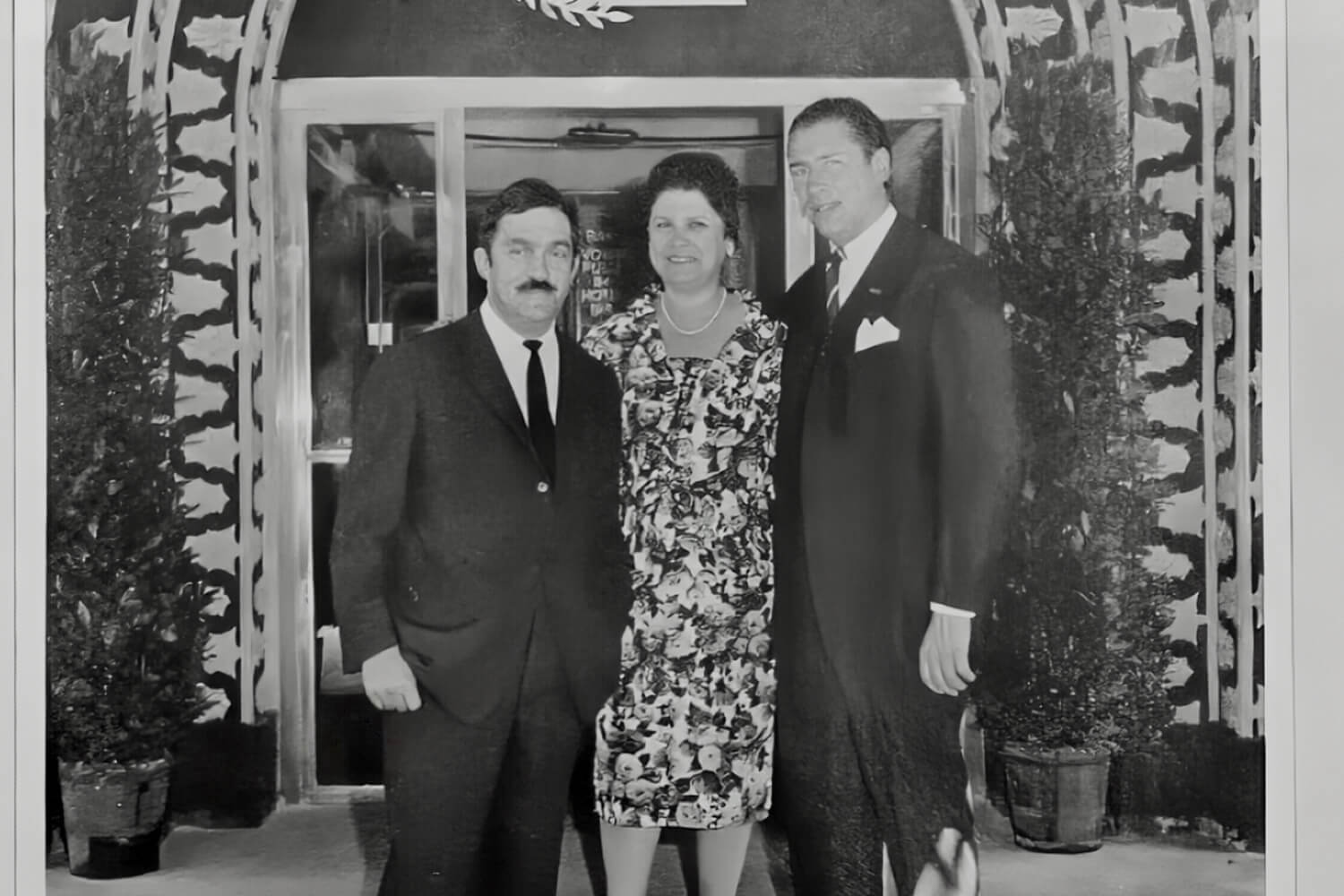
How Berlin Learned to Stay Out Late
Berlin once had a curfew. Hard to imagine now.
Back in the early 20th century, the Sperrstunde dictated when the night had to end. Glasses down, lights out, everyone home. It was official. And for a while, it worked. Until it didn’t.
Around Steinplatz, things started to shift. Under the Zellermayers, this address became one of those places where the rules felt … flexible. Max Zellermayer knew the right people. His family moved confidently between politics, society and the city’s cultural scene. And suddenly, the night didn’t seem quite so final anymore.
One extension led to another. A little longer here, a quiet exception there. Nothing loud, nothing scandalous — just enough influence, just enough charm.
Over time, the rigid idea of a fixed ending simply dissolved. Not overnight, but steadily. Berlin’s nights stretched, adapted and eventually outgrew the rule entirely. And places like this played their part.
Today, no one thinks about curfews anymore. The city moves freely, nights blend into mornings and staying out is part of the rhythm.
But if you look closely, you’ll notice — it had to start somewhere.
Volle Pulle
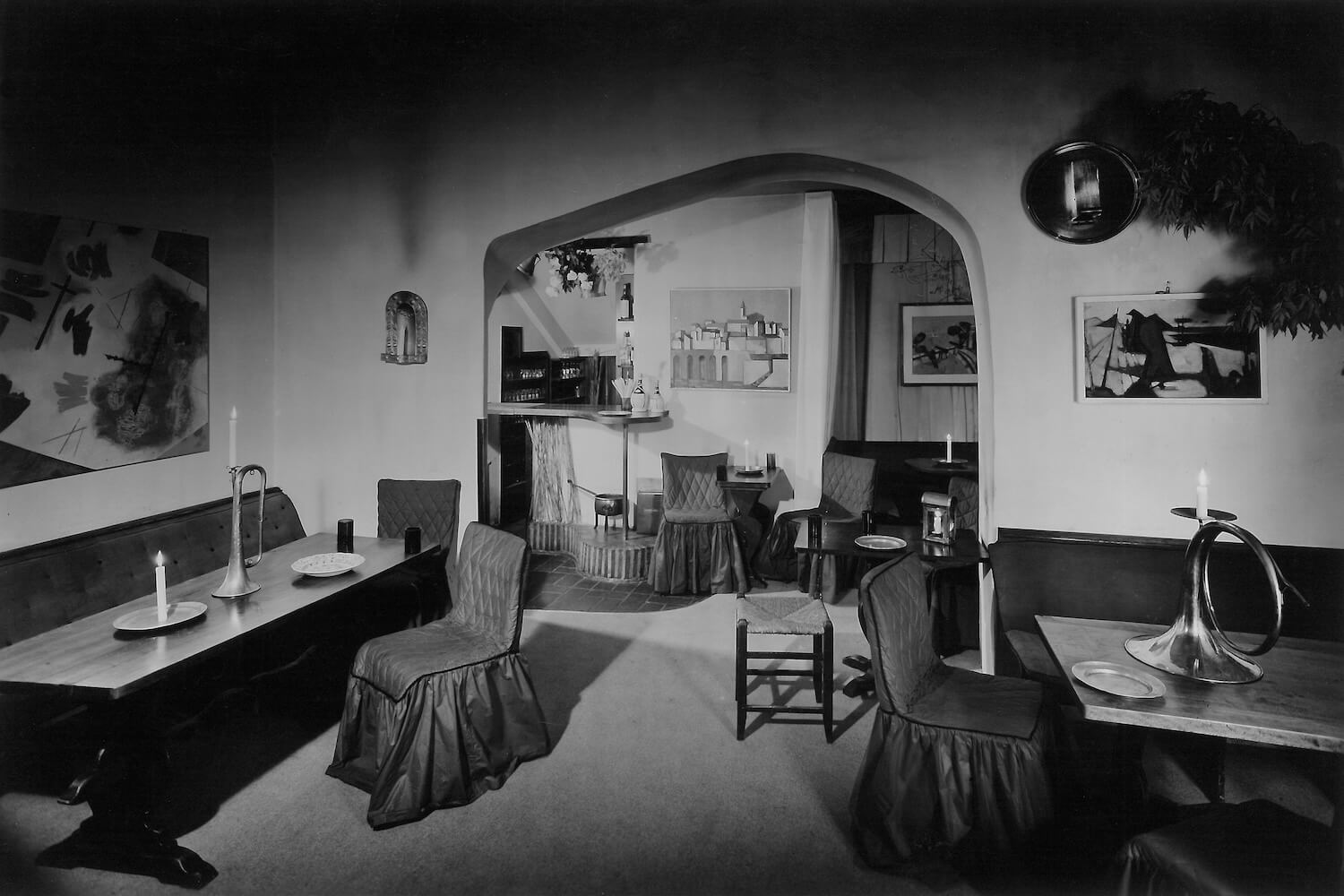
Volle Pulle — The Bar Everyone Talked About
Few people knew this house better than Achim Zellermayer. Having grown up at Hotel am Steinplatz since the early 1920s, he witnessed decades of Berlin history unfold from within its walls before opening Volle Pulle in 1950.
And what he created quickly became one of the city’s most sought-after addresses.
It was a bar, yes. But more accurately, it was a room full of writers, musicians, actors, thinkers and people who preferred a good drink and conversation over performance. Heinrich Böll was there. Günter Grass too. So were names like Gottfried Benn, Pablo Casals and Zubin Mehta.
They liked the bar best, sitting close to Karlchen, the bartender. Karlchen knew the drinks, the stories and probably more secrets than anyone else in the room. He even became the protagonist of several tales himself.
The place was buzzing. The nights were long. And the reputation spread quickly. Soon, guests had to reserve weeks in advance just to spend an evening there. Photos were forbidden, of course. Which only made everything more interesting.
The entrance was where today’s staff entrance is located, all the way to the left of the building. Back then, guests entered through a 3-meter beer barrel before stepping into the bar. Inside, 4 small rooms with space for 175 guests and swing-like seats awaited.
For 22 years, Volle Pulle held its place in Berlin’s cultural nightlife before closing together with the hotel. In the end, the struggles of a divided Berlin made it increasingly difficult to keep a place like this alive.
And still, the idea behind it feels familiar today. Our bar remains a place for open minds, late conversations, travellers, locals and everyone who appreciates a night with a little character.
Back then, vodka and whisky were the drinks of choice. Today, the menu is a little more extensive. Have a look, take a seat at the bar and become part of the next chapter.
University of Arts
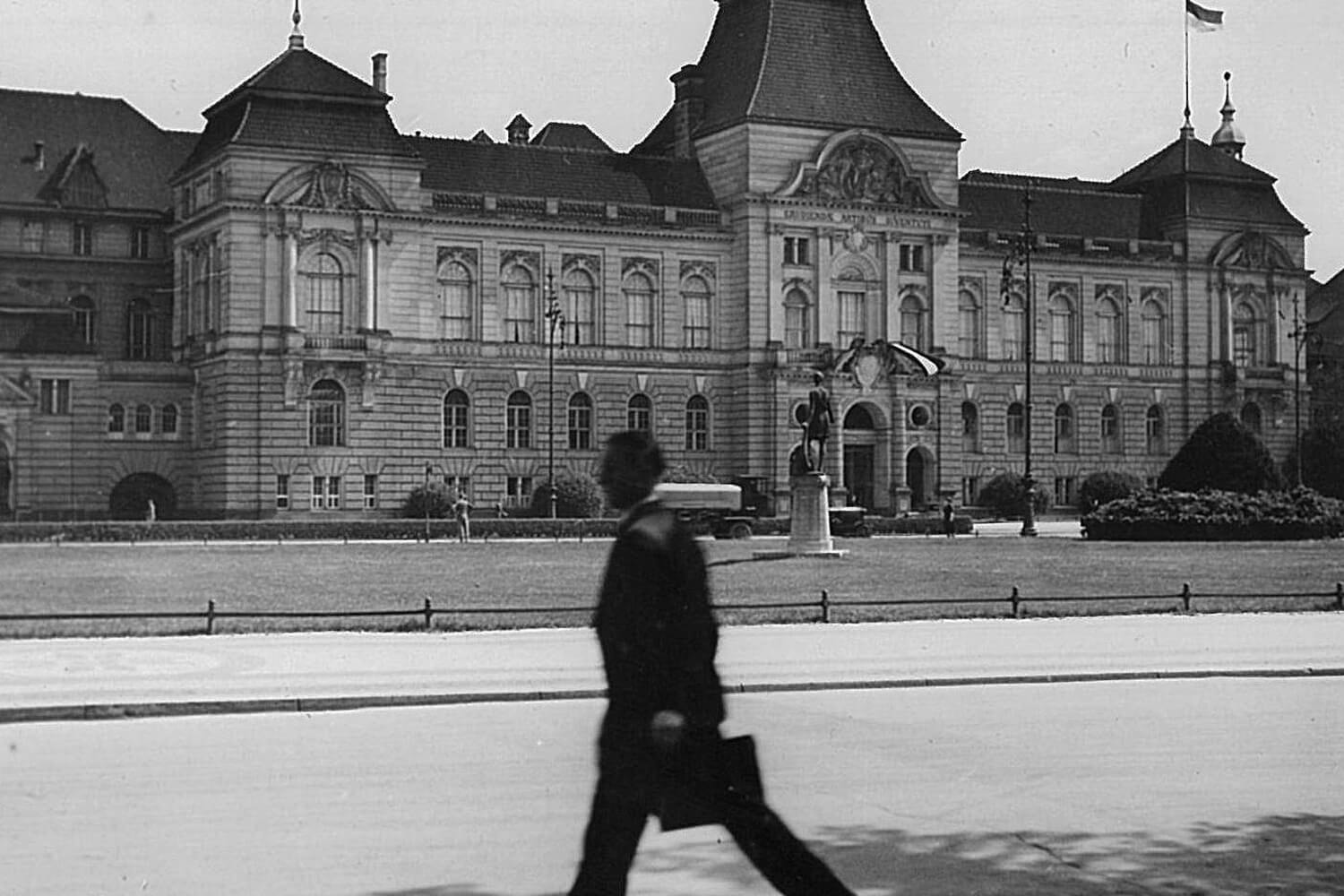
Across the Street, Berlin’s Next Generation of Artists Is Already at Work
Directly opposite of the Steinplatz stands the main campus of Berlin’s Art University, one of the largest and most influential art universities in Europe.
Its history stretches back more than 300 years. Painters, musicians, designers, architects, performers and creative thinkers have passed through its halls since the late 17th century, making it one of the city’s most important cultural institutions. Long before Berlin became known as a creative capital, talent was already being shaped here.
What makes the Universität der Künste special is its mix of disciplines. Music meets architecture. Fashion meets fine art. Ideas move freely between departments, often resulting in collaborations that could only happen in Berlin.
For generations, students have crossed Steinplatz on their way to lectures, exhibitions, rehearsals and late-night discussions. The neighborhood has always been part of the experience.
And in some cases, the story comes full circle. Hyunjung Kim, the artist and interior designer behind our restaurant and patio, once studied at the UdK herself. Today, her work has become part of the very neighborhood where her creative journey began.
Just across the street, the next generation is already sketching, composing, designing and dreaming. Some of them may leave their mark on Berlin next.
Foto: Gustav Hilbert, via Wikimedia Commons, Lizenz: CC BY-SA 3.0
Schwarzes Café
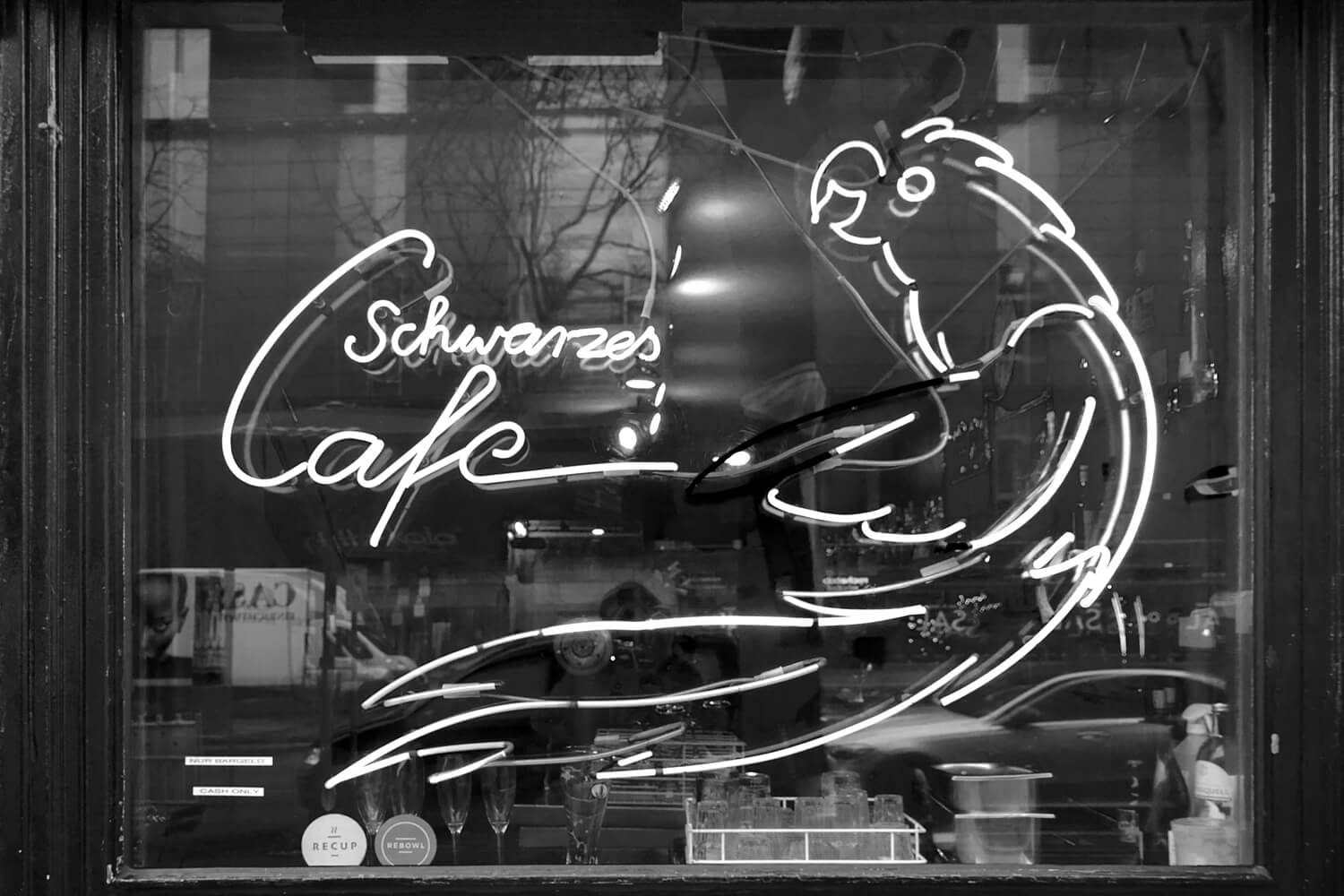
Eggs & Coffee at Midnight
Ask anyone who really knows the city, and Schwarzes Café will come up sooner or later.
Opened in the 70s and just a short walk from Roomers Berlin, the restaurant is a meeting point for Berliners, night owls, artists and long-time regulars. A place where different worlds naturally overlap.
The real story? It’s been serving breakfast around the clock, long before it became a trend. Eggs, coffee, dazzling conversations, before or after a Berlin night out.
This is where nights turn into mornings, where plans dissolve and where no one questions ordering breakfast long after midnight.
For Roomers guests, it’s the kind of place that completes the experience: authentic, unfiltered and unmistakably Berlin.
Reservations at Schwarzes Café are recommended.
Foto: Babewyn / Wikimedia Commons, Lizenz: CC BY-SA 4.0